China Best Fiberglass Walkway Grating Types and Benefits for Your Needs?
Fiberglass Walkway Grating has become a popular choice in various industries. Its unique properties provide exceptional durability and safety. This grating type is lightweight yet robust, making it ideal for different environments. Several styles are available, each catering to specific needs.
The benefits of fiberglass grating extend beyond strength. It is resistant to corrosion and chemicals, enhancing its longevity. These features make it a reliable option for walkways in industrial settings. However, users must consider factors like weight capacity and environmental conditions.
Understanding these aspects ensures you select the right type. Each project may require a different approach. You can find the perfect fiberglass walkway grating to enhance functionality and safety.
Types of Fiberglass Walkway Grating Available in China
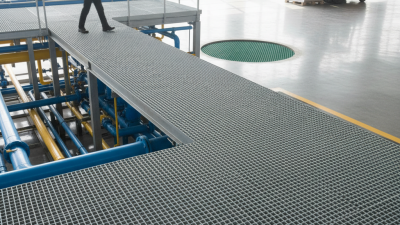
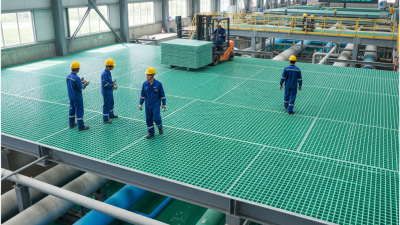
Fiberglass walkway grating offers various types tailored for different applications in China. You can find molded fiberglass grating, which features a one-piece construction. This type is strong and resistant to chemicals, making it ideal for industrial settings. Another option is pultruded fiberglass grating, known for its added strength and rigidity. It's suitable for heavy-load areas, ensuring safety and durability.
In addition to these types, you may also encounter different surface textures. Some grating features a smooth finish, while others are designed with anti-slip surfaces. This variety enhances safety in wet or slippery conditions. It's essential to choose a type based on your specific environment and load requirements. Reflecting on these differences can help you select the best option for your needs. Always consider how factors like cost and maintenance impact your decision.
Key Benefits of Using Fiberglass Walkway Grating
Fiberglass walkway grating is increasingly popular in various industries due to its distinct benefits. One of the primary advantages is its lightweight nature. Easy to install, it reduces labor costs and time. It's essential for creating walkways in areas prone to corrosion. Workers can navigate safely without the heavy burden of traditional materials.
Another significant benefit is its slip-resistance. This feature is vital in wet or hazardous environments. It helps prevent accidents, giving users confidence as they walk. Moreover, fiberglass grating comes in various designs, allowing for versatility in applications. Its customizability can match specific project needs while providing an aesthetic appeal.
While fiberglass grating offers many advantages, it also has some limitations. In certain conditions, it might not withstand excessive loads. Users should consider their specific requirements before making a decision. It's crucial to acknowledge that while fiberglass is durable, it isn't invincible. Careful assessment can lead to better outcomes for projects.
Factors to Consider When Choosing Walkway Grating
When selecting walkway grating, several crucial factors come into play.
Load capacity is a primary concern.
Different applications require varying weight tolerances. For instance, industrial areas might need grating that withstands heavier loads. According to industry reports,
fiberglass grating can support loads ranging from
1,000 to 10,000 pounds per square foot, depending on the design and thickness.
Another important factor is environmental resistance.
Fiberglass grating excels in corrosive settings, such as chemical plants.
It resists rust, UV damage, and other harsh conditions.
A study from the Composite Materials Association highlights that fiberglass grating lasts up to three times longer than steel in such environments.
This longevity reduces replacement costs over time.
Additionally, slip resistance is vital for safety.
A textured surface can prevent slip and fall accidents.
Reports indicate that slip-related incidents can decrease by 50% with proper grating selection.
However, not all textures are suitable for every application, leading to potential oversight.
It’s essential to evaluate specific site conditions before making final decisions.
Proper understanding of these factors ensures effective grating choices.
Applications of Fiberglass Walkway Grating in Various Industries
Fiberglass walkway grating
is finding its way into various industries due to its versatility and durability. In the chemical processing sector, for instance, the non-corrosive properties of fiberglass make it an ideal choice for environments where harsh chemicals are present. According to a recent industry report, 45% of companies using fiberglass grating report reduced maintenance costs since it withstands corrosive environments better than traditional materials. This characteristic allows for safer, more efficient operations.
In the construction and infrastructure industries, fiberglass grating is increasingly being utilized for its lightweight yet strong design. It is suitable for walkways, platforms, and ramps. The National Safety Council reports that slip-resistant surfaces can decrease workplace accidents by up to 30%. The inherent slip resistance of fiberglass grating enhances safety for workers and reduces liability concerns.
While there are numerous benefits, it’s important to consider the upfront cost compared to steel or aluminum grating. A detailed cost analysis by industry experts indicates that while fiberglass can be 20% more expensive initially, the long-term savings from durability and lower maintenance often justify the investment. Businesses must weigh these factors carefully to ensure they meet their operational needs effectively.
Maintenance Tips for Fiberglass Walkway Grating
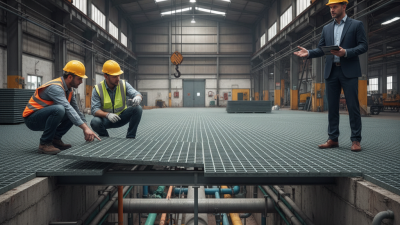
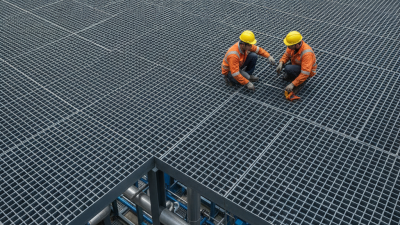
Fiberglass walkway grating is known for its durability and lightweight properties. However, proper maintenance is crucial to prolong its lifespan. Regular inspections can identify cracks or damages that might compromise safety. According to a recent industry report, 25% of accidents involving walkway grating stem from overlooked maintenance.
Cleaning is a vital component of maintenance. Using a mild detergent and water can effectively remove dirt and debris. Avoid harsh chemicals, as they can degrade the resin over time. Regular cleaning not only maintains aesthetics but also helps prevent slip hazards.
Environmental conditions can affect grating performance. In coastal areas, for example, salt corrosion may weaken fiberglass. Such conditions necessitate more frequent checks. Debris accumulation should also be managed, as it can trap moisture and lead to mold growth. Awareness and active maintenance are necessary for safe operation.