What is Fibre Glass Rebar and its Benefits for Construction?
Fibre Glass Rebar is making waves in the construction industry. This innovative material offers several advantages over traditional steel reinforcement. John Smith, a noted expert in construction materials, states, "Fibre Glass Rebar transforms how we think about structural integrity."
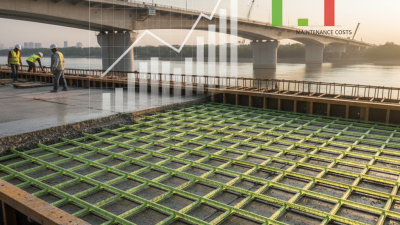
This non-corrosive alternative not only enhances durability but also reduces overall project costs. With increasing environmental concerns, the demand for sustainable materials grows. Fibre Glass Rebar meets these needs efficiently. Projects using this material often show less maintenance and longer lifespans.
Despite these advantages, some professionals remain skeptical. They question its performance under extreme conditions. As the industry evolves, ongoing research is crucial. Understanding Fibre Glass Rebar fully will help bridge these gaps. Integration into mainstream construction still requires careful consideration. Moving forward, a balance between innovation and traditional methods remains vital.

What is Fibre Glass Rebar?
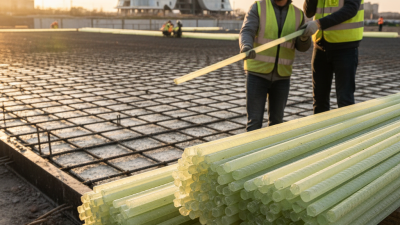
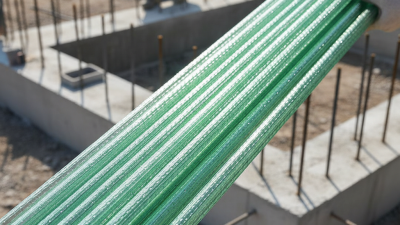
Fibre Glass Rebar is a construction material composed primarily of glass fibers and resin. It provides a lightweight alternative to traditional steel rebar. Its unique properties make it ideal for various construction applications. The material is non-corrosive, which means it can withstand harsh environmental conditions.
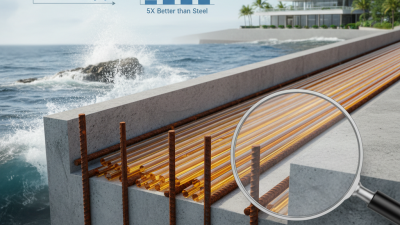
In recent years, the use of Fibre Glass Rebar has gained popularity. Many construction professionals appreciate its durability and strength. It is resistant to chemical damage, making it suitable for projects near water bodies or in marine environments. Traditional steel can rust, but Fibre Glass remains intact over time.
Despite its advantages, some challenges exist. There can be a learning curve for workers accustomed to steel rebar. Furthermore, initial costs may be higher compared to steel. It's essential to weigh these factors when considering Fibre Glass Rebar for a project. Overall, it offers a promising option for modern construction needs, though not without its complexities.
Composition and Manufacturing Process of Fibre Glass Rebar
Fibre glass rebar is an innovative material used in construction. Its composition primarily consists of a polymer matrix reinforced with fibres made of glass. These fibres are known for their excellent tensile strength and corrosion resistance. The manufacturing process involves combining glass strands with resin, resulting in a solid and lightweight product. Engineers value its durability in various environments.
The production begins with blending raw materials. Glass fibres are drawn into strands, creating a flexible base. These strands are then impregnated with resin, which binds the fibres together. Curing occurs, solidifying the structure. This process results in rebar that is not only strong but also resistant to rust and chemical attack.
While fibre glass rebar offers many benefits, some challenges exist. Its initial cost can be higher than traditional steel. Additionally, the installation process requires specific techniques. Inadequate knowledge or experience can lead to poor performance. Contractors must be well-trained. Proper handling and installation are critical for maximizing the material's benefits.
What is Fibre Glass Rebar and its Benefits for Construction?
| Property |
Description |
| Material Composition |
Fiberglass reinforced polymer (FRP), combining glass fibers with a resin matrix. |
| Weight |
Significantly lighter than traditional steel rebar, reducing overall construction load. |
| Corrosion Resistance |
Highly resistant to harsh environmental conditions and chemical reactions, prolonging the life of structures. |
| Thermal Conductivity |
Low thermal conductivity, providing thermal insulation properties. |
| Strength |
High tensile strength comparable to steel rebar while being lightweight. |
| Installation |
Easier to handle and install due to its lightweight, reducing labor costs. |
Advantages of Fibre Glass Rebar in Construction
Fibre glass rebar, an innovative construction material, is gaining traction due to its numerous advantages. Unlike traditional steel rebar, it offers enhanced resistance to corrosion. According to a report by the American Concrete Institute, fibre glass rebar can last up to three times longer than steel in harsh environments. This longevity translates to lower maintenance costs over time.
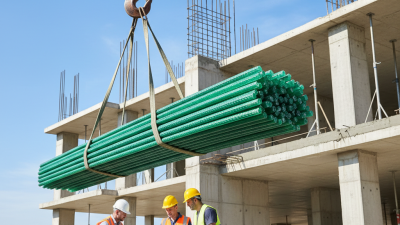
Another significant benefit is its lightweight nature. Fibre glass rebar is around one-fourth the weight of steel. This makes transportation and installation much easier. Construction teams can reduce labor costs as well. A study from the Construction Industry Research Board highlights that projects using lighter materials often see shorter completion times.
When using fibre glass rebar, ensure proper installation techniques are followed. Even though this material is strong, incorrect placement can lead to unexpected challenges. Additionally, be aware that while fibre glass is impressive, it may not be suitable for all applications. Some engineers still prefer traditional options for specific conditions. Keep this in mind as you explore fibre glass rebar for your projects.
Advantages of Fibre Glass Rebar in Construction
The bar chart above illustrates the key advantages of using Fibre Glass Rebar in construction. Each advantage is scored out of 100, highlighting its significance compared to others. Fibre Glass Rebar is known for its high corrosion resistance and excellent strength-to-weight ratio, making it a preferred choice in modern construction projects.
Applications of Fibre Glass Rebar in Various Structures
Fibre glass rebar is revolutionizing construction. Its lightweight nature and resistance to corrosion are primary benefits. This innovative material is suitable for various applications, providing strength without adding excessive weight.
In bridges, fibre glass rebar enhances durability. Its non-corrosive properties extend the lifespan of structures. Builders utilize it in retaining walls, ensuring stability in demanding environments. Additionally, foundations benefit from fibre glass, particularly in areas with high moisture levels.
Tips: Consider the specific needs of each project. Not every application requires fibre glass rebar. Assessing soil conditions, load-bearing requirements, and environmental factors is crucial. Investigate local building codes to ensure compliance. When in doubt, consulting with experts can lead to better choices.
Comparing Fibre Glass Rebar with Traditional Steel Rebar
Fibre glass rebar presents a significant shift in construction materials when compared to traditional steel rebar. It is composed of a combination of fiberglass strands, which offers unique benefits. For instance, fibre glass rebar is lighter than steel, making it easier to handle. This reduction in weight can lead to savings in transportation and labor costs. Studies show that using fibre glass can reduce overall project costs by up to 25%.
When assessing durability, fibre glass rebar resists corrosion better than steel, especially in harsh environments. According to the American Concrete Institute, nearly 30% of concrete repairs are due to steel corrosion. This translates into massive expenditure, with billions spent annually on maintenance. Fibre glass rebar mitigates these costs significantly, extending the lifespan of structures.
Steel rebar can be susceptible to environmental factors, leading to potential structural vulnerabilities. Fibre glass rebar, however, demonstrates greater resilience against chemicals and adverse weather. While initial investments may appear higher, long-term performance and maintenance savings can justify this expense. Engineers must weigh these factors carefully when choosing materials for specific environments. The choice between fibre glass and steel will depend on the project requirements and budget considerations.