10 Essential Tips for Choosing Fiberglass Walkway Grating?
Choosing the right Fiberglass Walkway Grating can be challenging. The options available are numerous, each with unique features. Understanding these can greatly impact safety and durability in your environment.
Fiberglass grating offers benefits such as corrosion resistance and lightweight design. However, not all products meet quality standards. It's crucial to evaluate the material composition and manufacturing process. Many overlook these details, resulting in future complications.
Consider the load capacity and spacing requirements. These factors influence performance and longevity. Ignoring them may lead to structural failure or safety hazards. Your choice of Fiberglass Walkway Grating should reflect thoughtful consideration of these essential aspects.
Understanding Fiberglass Walkway Grating: A Quick Overview
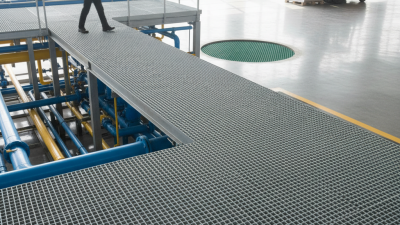
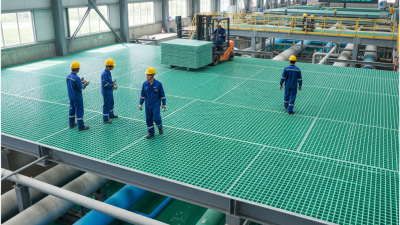
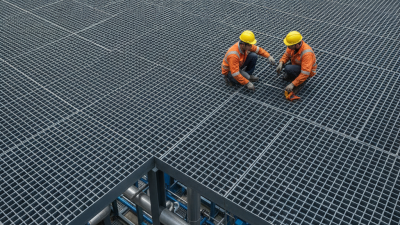
Fiberglass walkway grating has gained significant traction in various industries due to its lightweight yet durable characteristics. In recent findings, the market for fiberglass grating is expected to grow by 6.4% annually through 2027. This growth can be attributed to its corrosion resistance, which is essential in environments exposed to chemicals and moisture. It is notable that fiberglass offers better safety than traditional materials, reducing slip and fall incidents when installed properly.
Understanding the composition of fiberglass grating is crucial. This material is typically made from glass fibers and resin, providing strength and flexibility. Weighing up to 75% less than steel, fiberglass allows for easier installation and maintenance. It's essential to appreciate that not all fiberglass gratings are created equal. Variations in resin types can affect performance under different environmental conditions. Selecting the right type can be challenging.
Concerns around quality and long-term performance often arise. Some users have reported that lower-grade fiberglass can become brittle over time. These issues underline the necessity for careful selection and application. Consider the environmental factors where the grating will be used. Understanding these aspects can enhance decision-making and ensure long-lasting results.
10 Essential Tips for Choosing Fiberglass Walkway Grating
| Tip Number |
Tip |
Description |
| 1 |
Identify Load Requirements |
Consider the weight and type of load the grating will support. |
| 2 |
Choose the Right Resin |
Select resin types such as vinyl ester or epoxy based on environment. |
| 3 |
Consider Slip Resistance |
Evaluate surface texture for safety in wet or oily conditions. |
| 4 |
Check for UV Stability |
Ensure grating is resistant to UV degradation if used outdoors. |
| 5 |
Evaluate Chemical Resistance |
Confirm compatibility with chemicals it may be exposed to. |
| 6 |
Select Grating Type |
Choose from molded or pultruded options based on application. |
| 7 |
Consider Ventilation Needs |
Assess airflow requirements for proper heat dissipation. |
| 8 |
Evaluate Installation Ease |
Choose lighter options for easier handling and installation. |
| 9 |
Check for Maintenance Requirements |
Choose products that minimize upkeep for cost-effectiveness. |
| 10 |
Confirm Quality Standards |
Ensure compliance with industry standards for reliability. |
Key Factors to Consider When Selecting Fiberglass Grating
When selecting fiberglass walkway grating, there are several key factors to consider.
Durability is paramount.
Fiberglass grating resists corrosion and wear, making it suitable for harsh environments.
Assess the load capacity and ensure it meets your specific requirements.
Look for designs that offer both strength and flexibility.
Safety must not be overlooked.
Choose grating with anti-slip surfaces to reduce accidents.
Consider the spacing of the bars; wider gaps can pose a tripping hazard.
Tip: Always evaluate the installation process. Some options require specialized skills. Simplifying installation can save time and costs.
Consider aesthetic appeal as well.
The grating should blend with your environment while serving functional purposes.
Selecting the right color and finish can enhance the overall look.
Tip: Check for maintenance requirements. Low-maintenance options save time and effort in the long run. Regular inspections help prolong the lifespan of the grating.
Assessing Load-Bearing Capacity for Safety and Durability
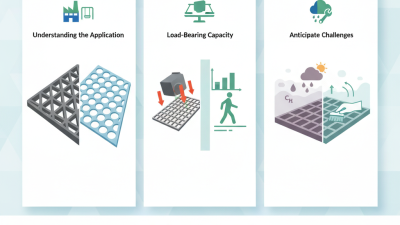
When selecting fiberglass walkway grating, assessing its load-bearing capacity is crucial for ensuring safety and durability. Many industry standards recommend a load bearing of at least 125 psf for general applications. This number can vary depending on the specific use case, such as pedestrian traffic or heavy equipment. It's essential to consult structural engineers familiar with these parameters to choose the right product.
Another key factor is understanding the material's properties. Fiberglass grating typically benefits from enhanced chemical resistance and environmental durability. However, some products may show variability under extreme temperatures or moisture, potentially impacting their strength. According to a study from the American Composites Manufacturers Association, around 30% of grating failures can be attributed to inadequate load capacity understanding. Proper evaluation and product selection can help prevent costly incidents and enhance overall safety on walkways.
Lastly, it’s important to consider installation practices. Improper installation can lead to load miscalculations, regardless of the grating's specifications. The industry reports that nearly 15% of structural failures are linked to installation errors. Engaging with certified professionals can mitigate these risks and promote a safer environment for users.
Evaluating Environmental Conditions and Material Compatibility
When choosing fiberglass walkway grating, environmental conditions play a crucial role. Factors like UV exposure, temperature fluctuations, and chemical contact can affect the longevity and performance of the material. According to industry reports, over 30% of grating failures are linked to inadequate material compatibility with environmental conditions. Understanding the specific environment helps in selecting the right type of grating.
For example, in coastal areas, grating must withstand saltwater exposure. Select products that offer enhanced corrosion resistance to ensure durability. Similarly, in regions with high temperatures, ensure that the grating can handle thermal expansion without deforming. Evaluating these conditions early in the selection process is vital.
Tip: Always consult material safety data sheets (MSDS) to gauge compatibility with chemicals. This ensures that you select the best option for your specific needs.
Periodic inspections and maintenance can prolong the lifespan of fiberglass grating. Failing to consider environmental impacts may lead to unnecessary replacements. As a result, a proactive approach can save costs and enhance safety.
Cost Considerations and Longevity of Fiberglass Walkway Grating
When considering fiberglass walkway grating, cost and longevity are crucial factors. A comprehensive industry report indicates that fiberglass grating can last up to 30 years. This longevity often results in lower long-term costs despite higher initial prices. Typically, fiberglass products cost around $30 to $50 per square foot, depending on factors like load capacity and design. This investment may seem steep initially, but the durability and reduced maintenance costs can offset these expenses over time.
Another point to consider is the maintenance of fiberglass walkway grating, which is relatively low. Unlike metal grating, fiberglass does not corrode or rust. This feature is especially beneficial in coastal or harsh environments. A 2021 study found that fiberglass grating requires maintenance only once every five years, which is notably less frequent than steel, which may require annual inspections. Nonetheless, improper installation can lead to problems. Ensuring correct placement is key to maximizing both durability and safety.
Though fiberglass offers numerous advantages, potential drawbacks exist. Its sensitivity to UV exposure may lead to fading. While manufacturers typically coat grating to enhance UV resistance, some areas of concern remain. Frequent evaluation of the material is advisable for optimal performance. Understanding these aspects can guide effective decision-making and implementation for lasting value.