Top 5 Benefits of Aramid Fiber Reinforced Rebar for Buyers
The construction industry is continually evolving, and innovations like Aramid Fiber Reinforced Rebar are gaining attention. This material, known for its remarkable strength-to-weight ratio, is revolutionizing the way we approach structural reinforcement. According to a recent report by Research and Markets, the global market for fiber-reinforced composites is expected to grow significantly. This growth emphasizes the shifting landscape towards advanced materials, essential for improving durability and reducing maintenance costs.
Aramid Fiber Reinforced Rebar offers unmatched resistance to corrosion and impact. This durability translates to longer lifespan for structures, potentially saving buyers on long-term expenses. Notably, studies suggest that traditional steel reinforcement methods face significant challenges, especially in harsh environments. The transition to aramid fiber solutions presents an opportunity for enhanced performance in critical applications.
Understanding the unique advantages of Aramid Fiber Reinforced Rebar is crucial for industry stakeholders. Buyers face a complex market with diverse options and potential pitfalls. Yet the benefits of adopting this innovative rebar are compelling and worth consideration. It's time to delve deeper into these advantages, acknowledging that informed choices can significantly impact project outcomes.

Introduction to Aramid Fiber Reinforced Rebar and Its Importance
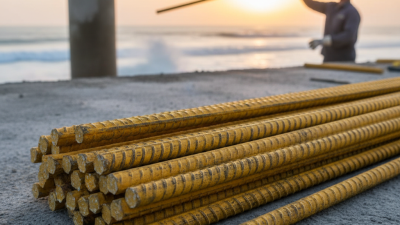
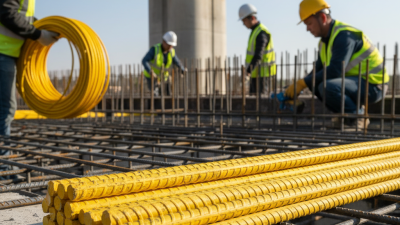
Aramid fiber reinforced rebar is an innovative construction material. It incorporates aramid fibers, which enhance performance significantly. This type of rebar is becoming essential due to its unique properties. It offers high strength and low weight, making it suitable for various applications. The demand for durable materials in construction is rising, and aramid fiber reinforced rebar fits the bill.
Its resistance to corrosion is particularly relevant. Traditional steel rebar often succumbs to rust. This compromises structural integrity over time. In contrast, aramid fiber reinforced rebar remains stable even in harsh conditions. This feature ensures longer-lasting structures. Moreover, it is non-metallic, reducing electromagnetic interference in sensitive environments. That’s a great benefit in specific applications, such as hospitals or research facilities.
However, the cost factor sometimes raises questions. Buyers may hesitate due to the higher upfront expense. While the initial investment is larger, the long-term savings on maintenance are significant. Additionally, many engineering firms are still learning about this technology. There is a need for greater awareness and education in the market. This could lead to more informed decisions by buyers. They must weigh both performance and cost for optimal results.
Enhanced Durability and Corrosion Resistance of Aramid Fiber Rebar
Aramid fiber reinforced rebar offers significant benefits, particularly in enhancing durability and resisting corrosion. Traditional steel rebar faces challenges from environmental factors. Rust and deterioration can compromise structural integrity over time. In contrast, aramid fiber rebar resists these issues, ensuring longer-lasting constructions.
The lightweight nature of aramid fibers makes handling easier. This material is not only strong but also flexible. It can adapt to various construction needs and conditions. Its resistance to harsh chemicals further reduces maintenance costs. Projects near saltwater or industrial areas benefit significantly from this feature.
Still, there are challenges. Initial costs for aramid fiber rebar can be higher than conventional options. Builders must weigh these costs against long-term benefits. Understanding the full lifecycle of materials is essential for informed decisions. Not every project may require such advanced solutions, and careful planning is vital.
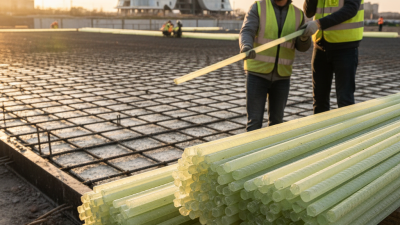
Weight Reduction and Improved Handling Benefits for Buyers
Aramid fiber reinforced rebar offers notable weight reduction, crucial for construction projects. Research indicates that these rebars weigh significantly less than traditional steel options, reducing overall material costs and labor efforts. The average weight of an aramid fiber rebar can be up to 30% lighter than its steel counterpart. This reduction enhances handling and installation efficiency, which is vital for tight schedules.
Moreover, lighter materials simplify logistics. Transporting aramid fiber rebar requires fewer resources, reducing carbon footprints during construction. A study highlighted that projects using lighter rebar reported a 20% decrease in overall transport costs. This aspect is especially beneficial for large-scale operations where material handling is a critical factor.
Improved handling goes beyond just transport. Workers experience reduced fatigue due to lighter weights, allowing for smoother installation. Reports indicate decreased incidents of strain injuries in teams working with aramid rebar. While this innovative solution brings many advantages, its long-term performance in various environmental conditions warrants further research. Balancing these benefits with ongoing evaluation is essential for informed decisions in construction practices.
Cost-Effectiveness Over Time: Life Cycle and Maintenance Savings
Aramid fiber reinforced rebar offers significant cost-effectiveness over time. Its durability can reduce long-term expenses, making it a smart investment. This type of rebar resists corrosion, which decreases maintenance costs. Traditional steel rebar often requires regular upkeep and repairs, especially in harsh environments. In contrast, aramid fiber's resilience extends the lifespan of structures.
Life cycle analysis shows that using aramid rebar may lead to lower overall lifecycle costs. Initial costs may be higher, yet savings accrue in the long run. Fewer repairs mean less labor and material expenses. The efficiency of aramid fibers also means that construction timelines may be shortened. This can lead to lower project costs, as well.
However, these benefits are not universally recognized. Many are hesitant to embrace new materials. Education is crucial to demonstrate the advantages of aramid fiber rebar. A thorough understanding of its properties and benefits is necessary for wider acceptance. Ultimately, embracing this innovation could reshape construction practices for the better.
Environmental Benefits of Using Aramid Fiber Reinforced Rebar in Construction
Aramid fiber reinforced rebar offers significant environmental benefits that are increasingly important in construction. Unlike traditional steel, aramid fibers are lightweight and have a lower carbon footprint. A study by the American Composites Manufacturers Association highlights that aramid fibers can reduce overall material weight by up to 50%. This reduction contributes to lower energy consumption during transportation and handling.
Construction projects using aramid fiber reinforced rebar also demonstrate increased longevity. Aramid fibers resist corrosion better than steel. This characteristic can reduce maintenance costs and extend the lifespan of structures. Research indicates that structures with aramid fiber reinforcement can last up to 75 years versus 50 years for standard steel-reinforced concrete.
Tip: When selecting materials, consider the entire lifecycle. Look for solutions that not only perform well but are also sustainable. Opting for aramid fiber can lead to long-term savings and environmental stewardship. Think about the resources saved through reduced maintenance and fewer material replacements.
Being aware of potential challenges is crucial. While aramid fibers offer many advantages, they can also be more expensive initially than steel. Evaluating project budgets and long-term benefits is essential for informed decision-making. Ensure that your choice aligns with both environmental goals and economic feasibility.